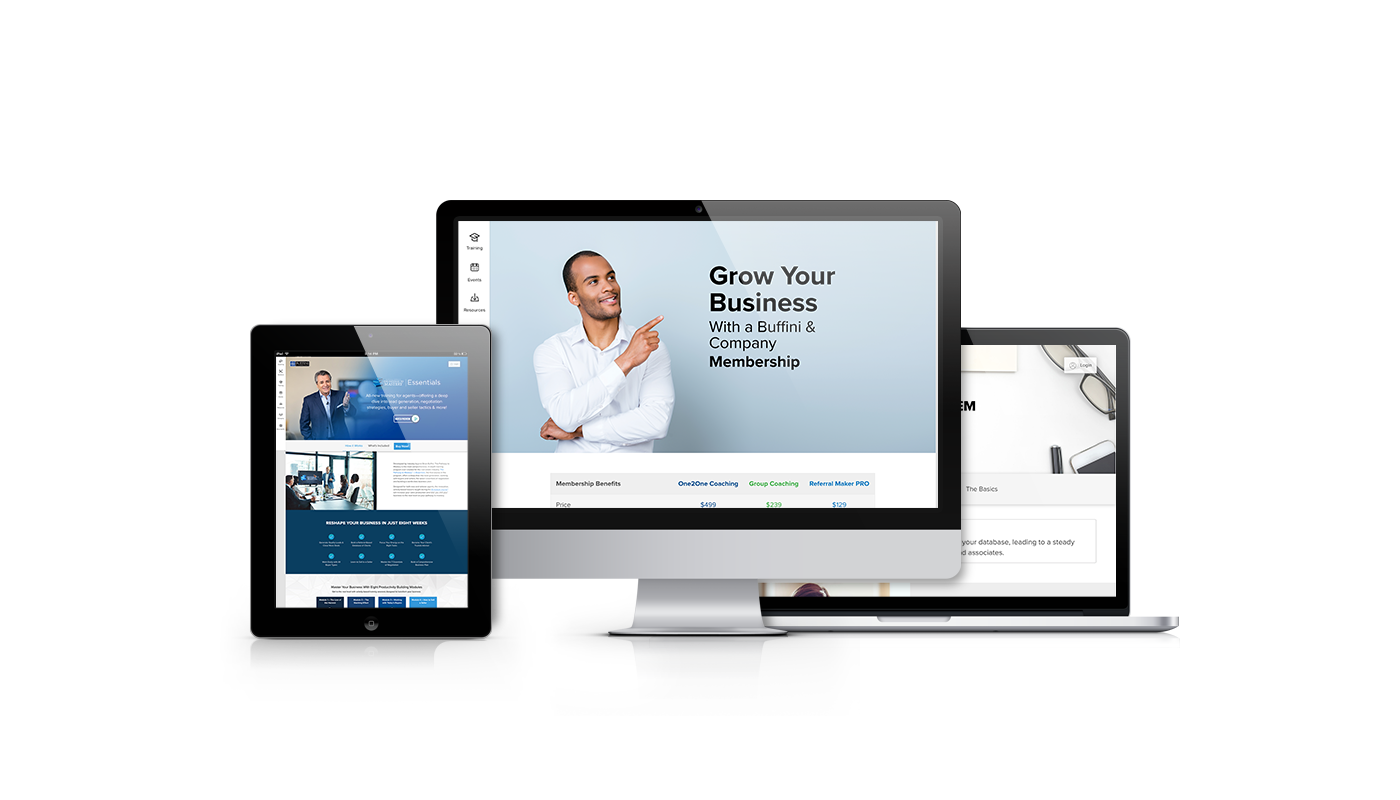
In-house Marketing Team
Buffini & Company is a Carlsbad-based professional training and coaching organization that focuses on helping business professionals, particularly in real estate and related industries, grow their businesses and improve performance. Founded in 1996 by real estate expert Brian Buffini, the company is known for its unique Work by Referral philosophy and highly effective lead-generation systems that teach members how to build long-term client relationships and generate consistent referrals. Through comprehensive coaching programs, workshops, live events, marketing tools, and training resources, Buffini & Company has helped millions of entrepreneurs around the world increase revenue, develop business skills, and enhance their quality of life.
Design through Deployment
Collaborated cross-functionally with multiple marketing stakeholders—including event marketing, CRM, coaching, and podcast teams—to design and launch revenue-driven campaigns aligned to specific sales goals.
Designed high-converting sales assets, updated and maintained coded website experiences, partnered with the email marketing team on campaign execution, and built new landing pages from scratch for product launches and events.
Managed ongoing updates to existing event pages and maintained WordPress blog and podcast sites. Operated in a fast-paced environment with tight turnaround times tied to sales cycles, event dates, and podcast releases.
Exploration → Design → Front-end Implementation → Deployment.
Phase 1: Strategic & Creative Exploration Partnered with marketing to understand campaign goals, revenue targets, audience segments, and thematic direction. Translated high-level concepts into visual territories, curated imagery, and defined messaging hierarchy aligned to conversion strategy. Presented creative direction to leadership for approval.
Phase 2: Experience & Interface Design Designed high-converting landing page experiences, mapping content flow to sales objectives. Established visual consistency across digital touchpoints, including supporting email designs in Marketo to ensure a cohesive campaign ecosystem.
Phase 3: Front-End Implementation Coded responsive landing pages and implemented campaign assets within the existing web infrastructure. Ensured performance, accuracy, and alignment with CRM workflows and tracking requirement.
Phase 4: Timed Deployment & Optimization Managed scheduled launches tied to sales windows, live events, and podcast releases. Deployed campaigns at go-live, monitored performance, and transitioned the site back to evergreen state post-campaign. Iterated as needed based on business priorities.
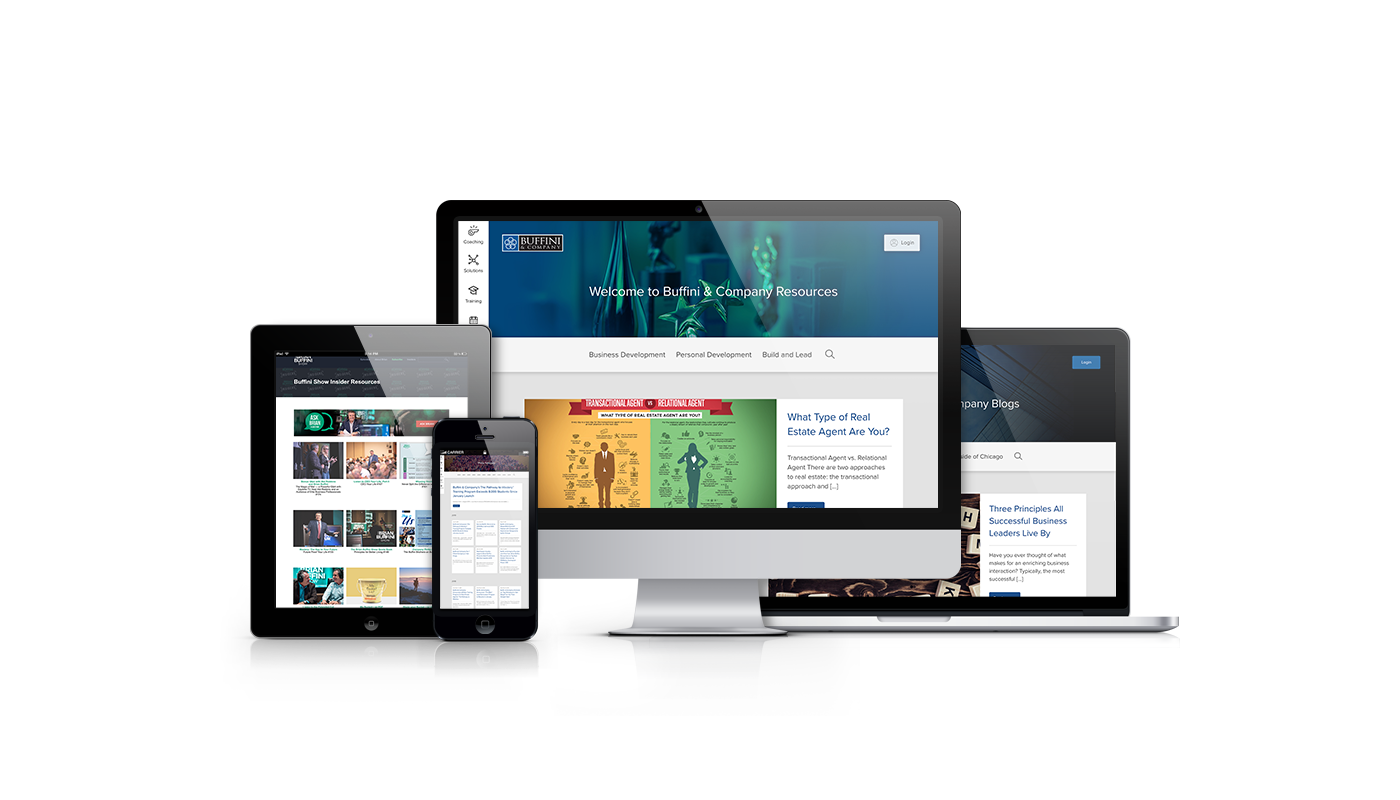
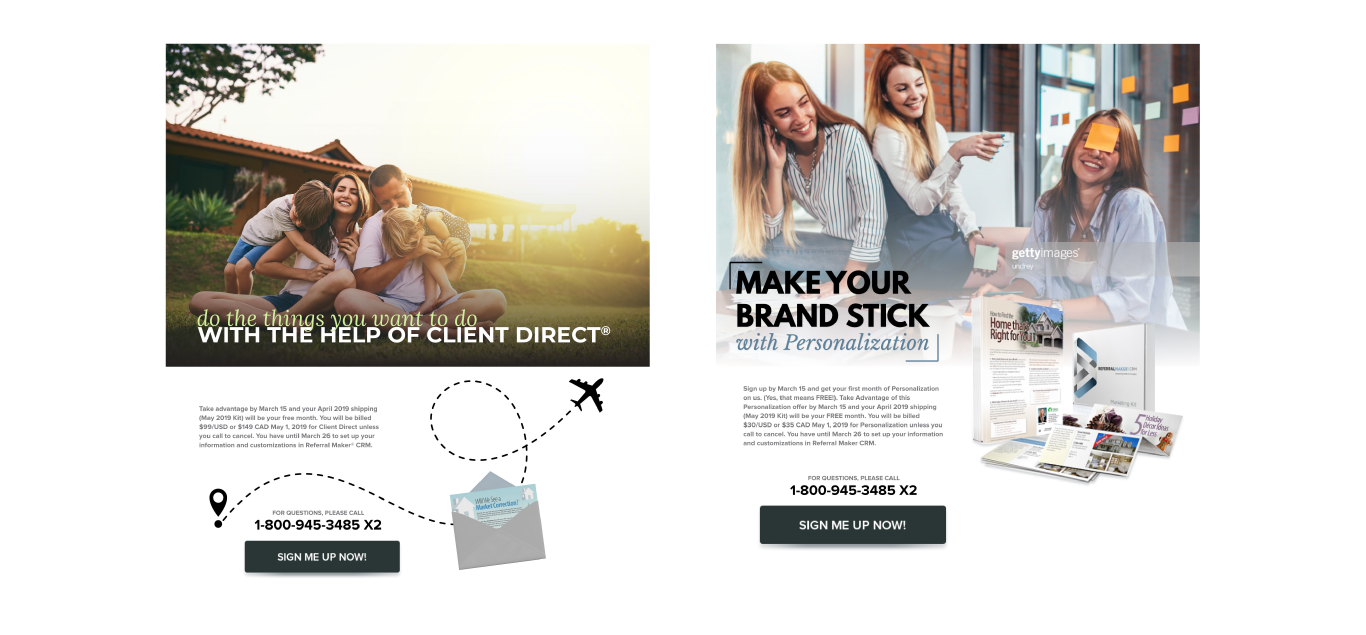
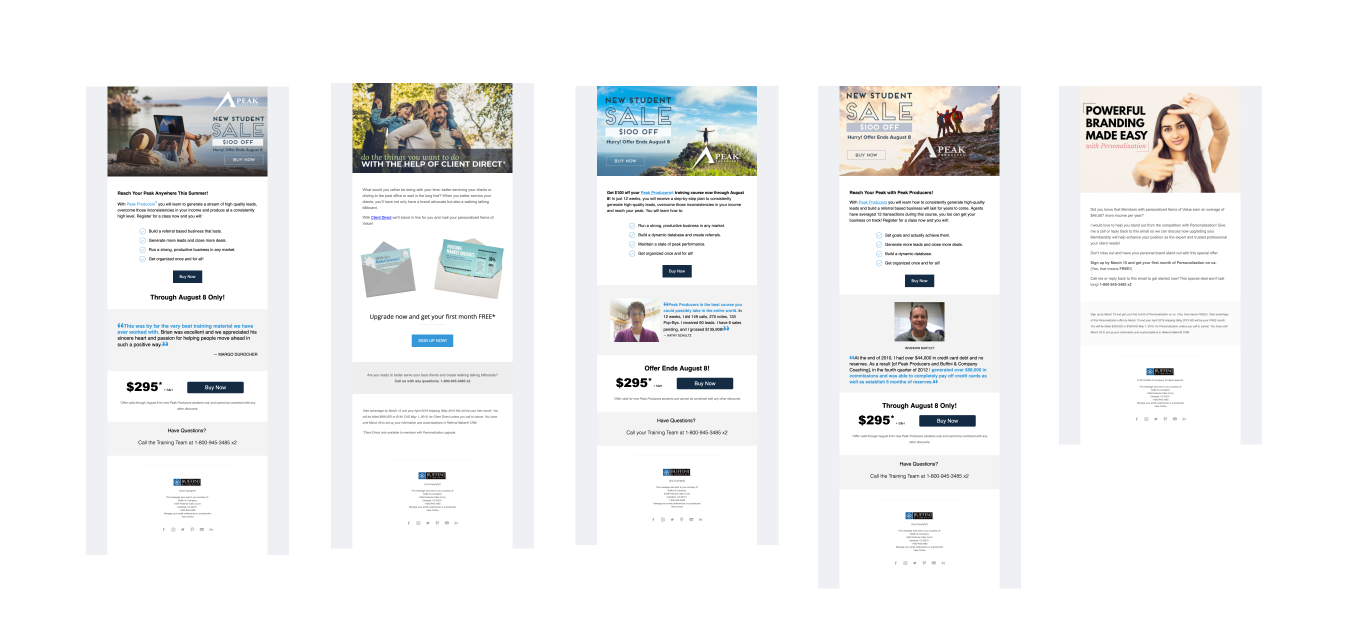
Measurable improvement in sales and efficiency.
What I'd do differently.
Given the fast-paced, revenue-driven environment, campaigns often required rapid implementation. While we prioritized speed to meet launch deadlines, this sometimes led to technical shortcuts and inconsistencies in code structure. During slower cycles, we aimed to refactor and clean up legacy implementations, but it wasn’t always systematized.
In hindsight, I would have advocated earlier for a more modular, component-based approach to our landing page architecture. With multiple designers contributing, variations in code organization (e.g., JavaScript placement, reusable modules, file structure) occasionally created inefficiencies when repurposing or iterating on past campaigns.
Implementing a shared design-to-code system — including standardized modules, clearer separation of concerns, and a documented structure for reusable components — would have increased scalability, reduced technical debt, and streamlined collaboration across the team.